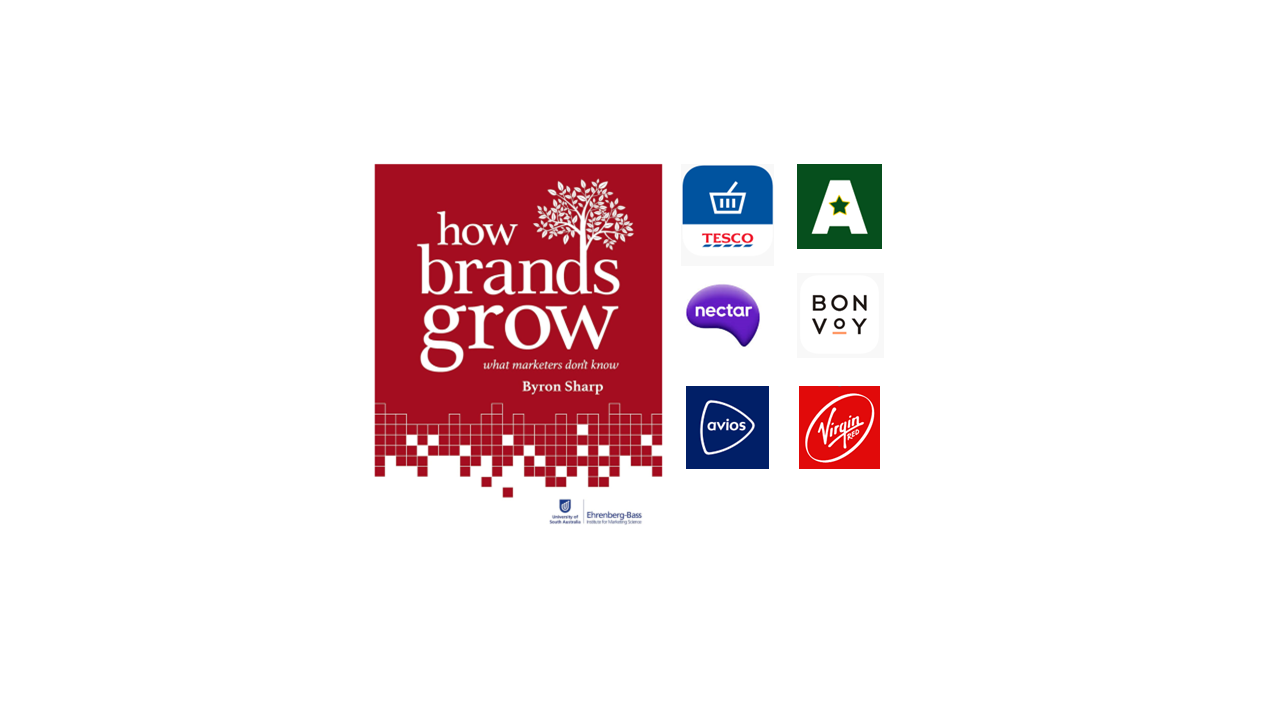
Loyalty programmes don’t contradict Byron Sharp’s penetration theory. When designed properly, they strengthen brand proposition, physical and mental availability — and create the foundation for retail media growth.
Occasional and random musings on retail, data, technology and other stuff we find interesting.
Loyalty programmes help brands to grow. They drive physical availability, mental availability and build competitiveness. They can be inherently profitable and their data is highly monetizable.
retail media is growing fast - so its even more important that its used effectively to drive brand growth.....
Out of the box thinking....
RMN's are rather like the conductors of an orchestra bringing together an array of specialists and ensuring that the output of the whole is greater than the sum of the parts.
Its official, according to BCG, #retailmedia is the biggest priority for Ecom leaders at the world's biggest retailers
The growth in size and sophistication of Retail Media Networks is proving a challenge for CPG brands in a number of ways and not least organisationally. At P&G, back in the day, we believed that "all organisations are perfectly designed to achieve the results they do" and so organisational thinking was embedded into our modus operandi. We followed a similar approach at dunnhumby when we considered how we should organise ourselves as we pioneered the deployment and monetisation of data analytics and retail media in the UK's first advanced Retail Media Network.
Retail Media Operators are advantaged vs traditional media operators as they are able to measure the above with high accuracy. Traditional media owners have to rely on proxy measures for reach or mental availability and are not able to track the extent to which these drive new customers or customer growth. Neither are they able to increase retail presence, make it easier for customers to buy the brands (eg via click through to basket) or eliminate wastage from their channels.Retailers who make it easy for brands to track these measures will have an advantage over those retailers who don’t, but the responsibility for brand growth is with the brand owners and they must find ways to measure retail media effectiveness and not depend on retailers to do it for them.
Agentic commerce won’t kill retail media — it will accelerate it. As AI agents optimise for “good enough” decisions, product ranking becomes even more powerful and monetisable for retailers.
Agentic commerce won’t kill retail media — it will amplify it. As AI agents optimise shopping decisions, ranking, data and retail media influence become even more commercially powerful.
A practical “CEO memo” outlining how retailers can shift from rebate-led trading models to retail-media-driven growth — refocusing suppliers on penetration, availability and measurable category expansion.
Retail media opportunity is shaped by more than retailer scale. Market size, competitive intensity, ecommerce importance and strategic commitment all determine how large an RMN can become.
A clear definition of retail media — what it is, what it isn’t, and why confusion around trade spend, performance media and tech vendors continues to muddy the debate.
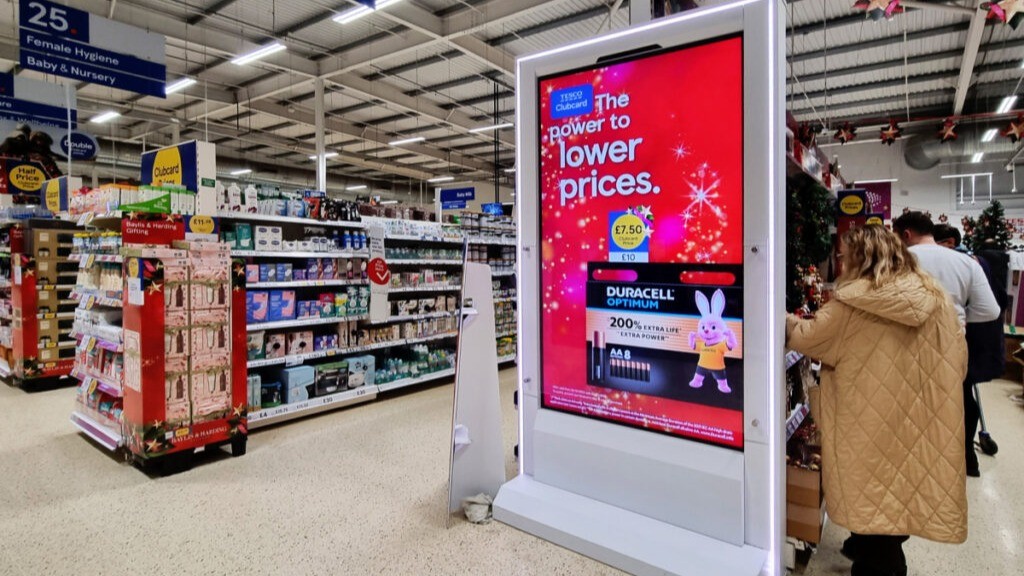
Why instore retail media is both the original battleground and the next major growth frontier — and what retailers, brands and agencies need to rethink.
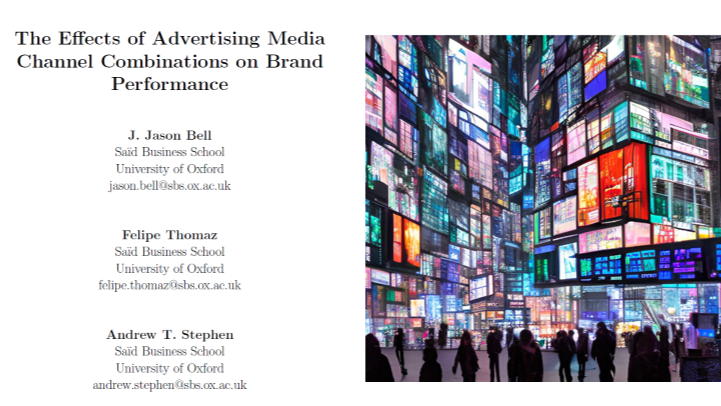
Academic research shows retail media is one of the most effective — yet underused — channels for brand growth. Here’s what the data says and why it matters.
Retail media is evolving fast — but many brands are still operating with outdated growth models. Here’s why brands need a new framework focused on penetration and new customer acquisition.
Occasional and random musings on retail, data, technology, retail media and other stuff we find interesting.